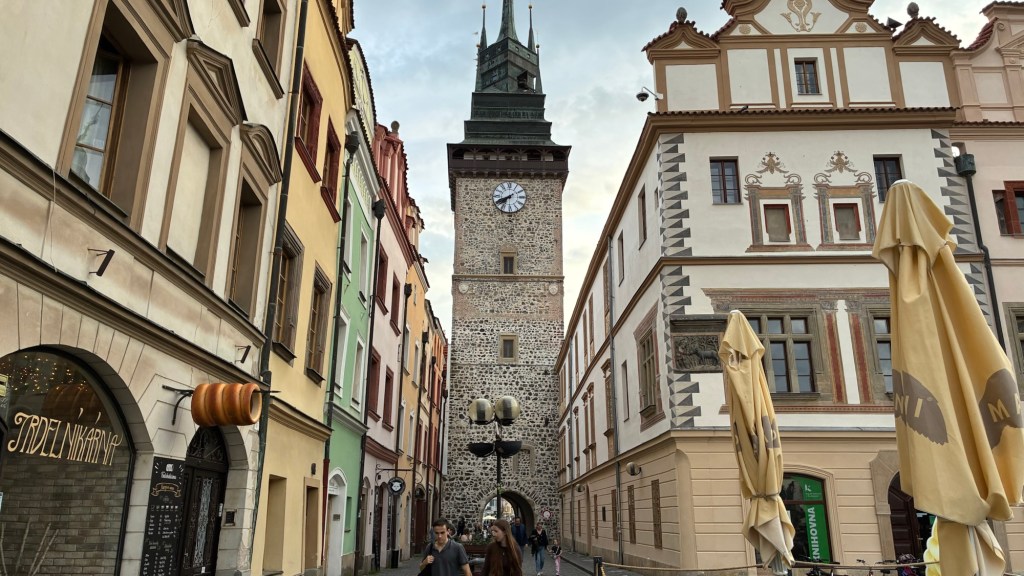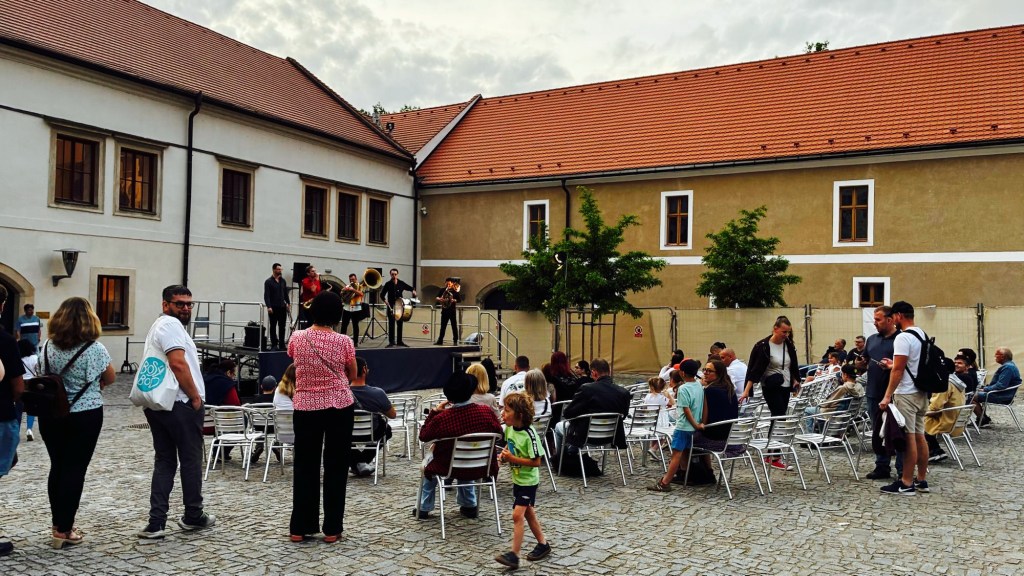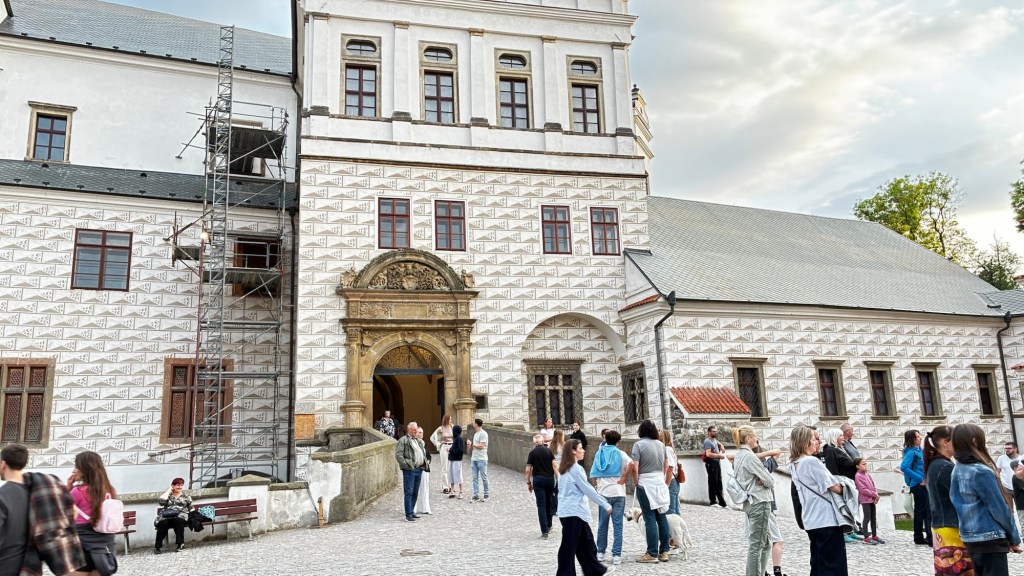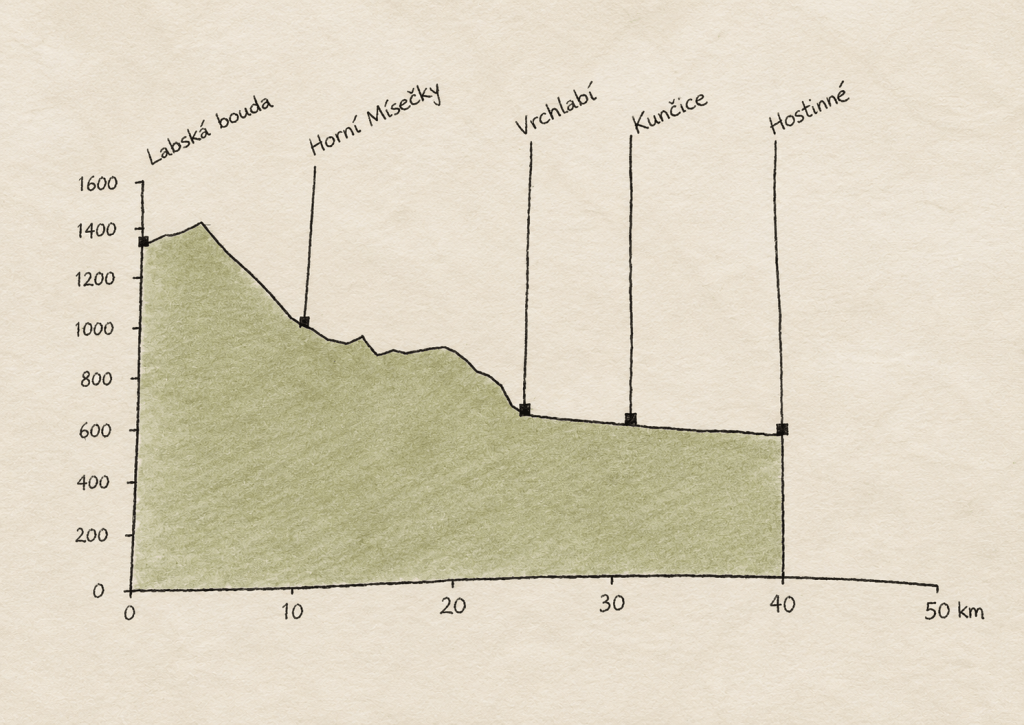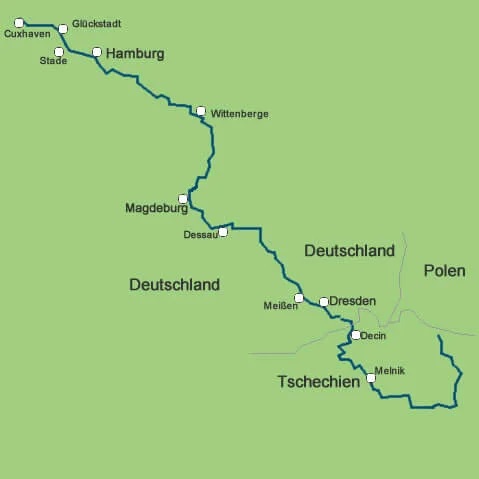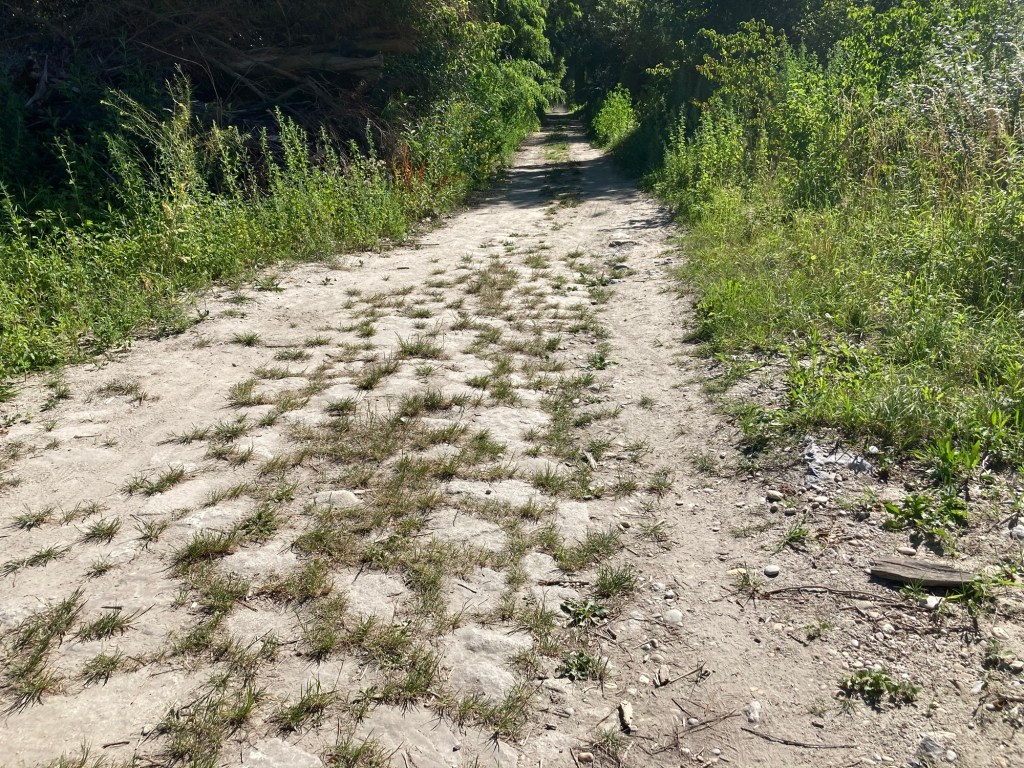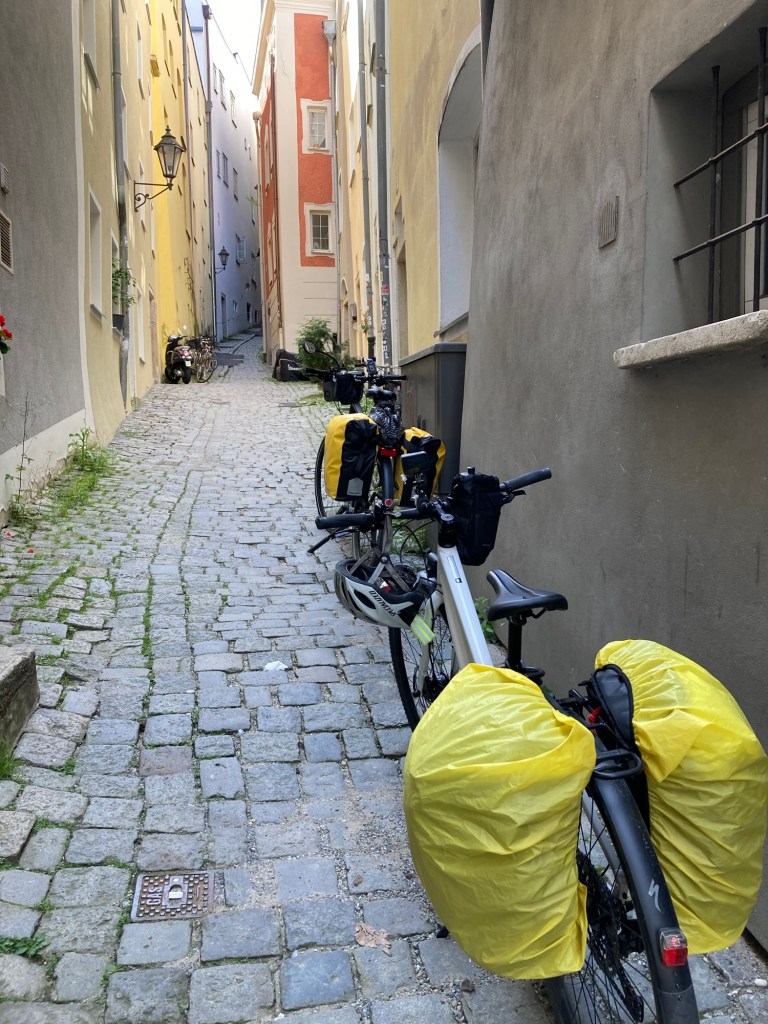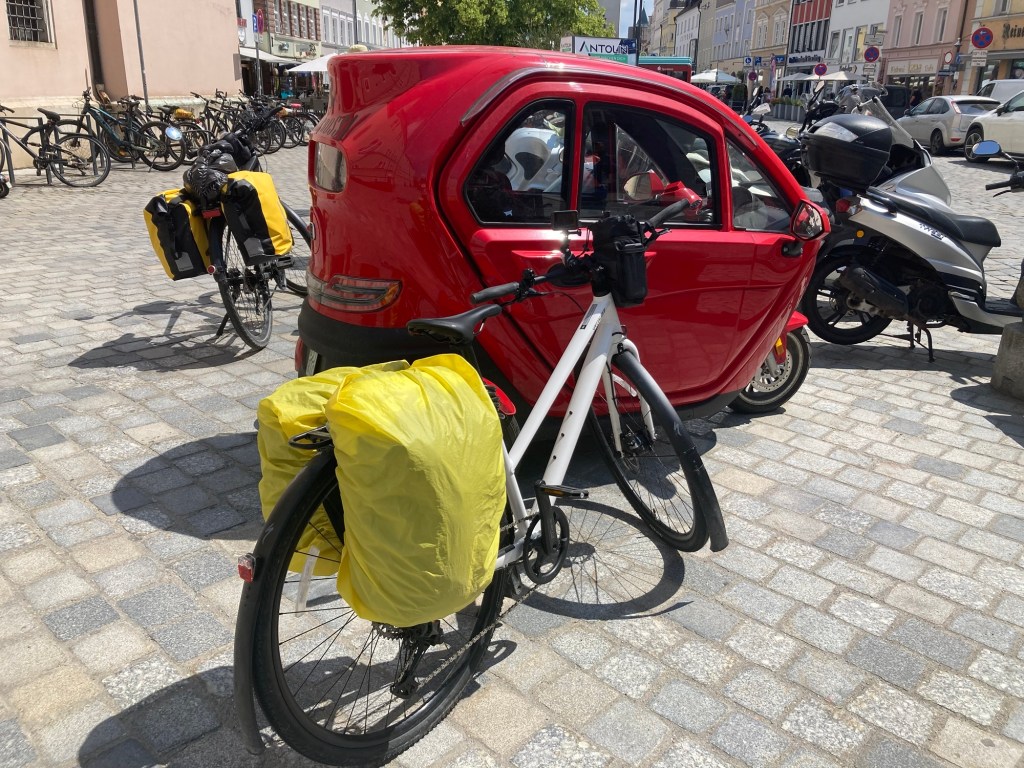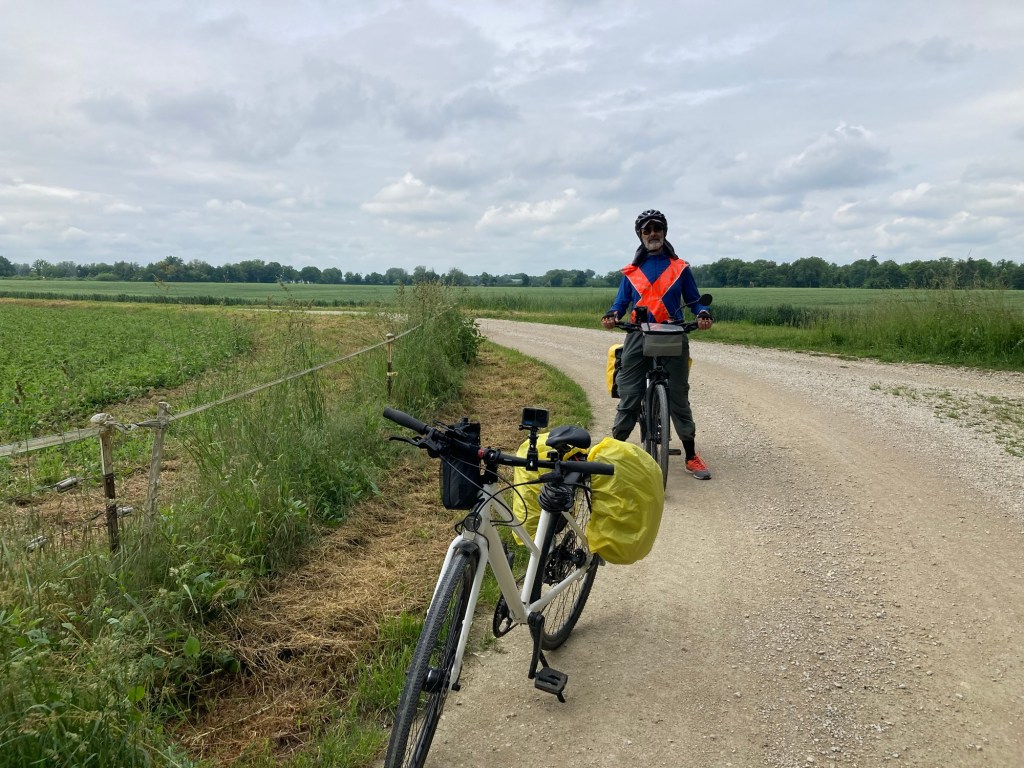
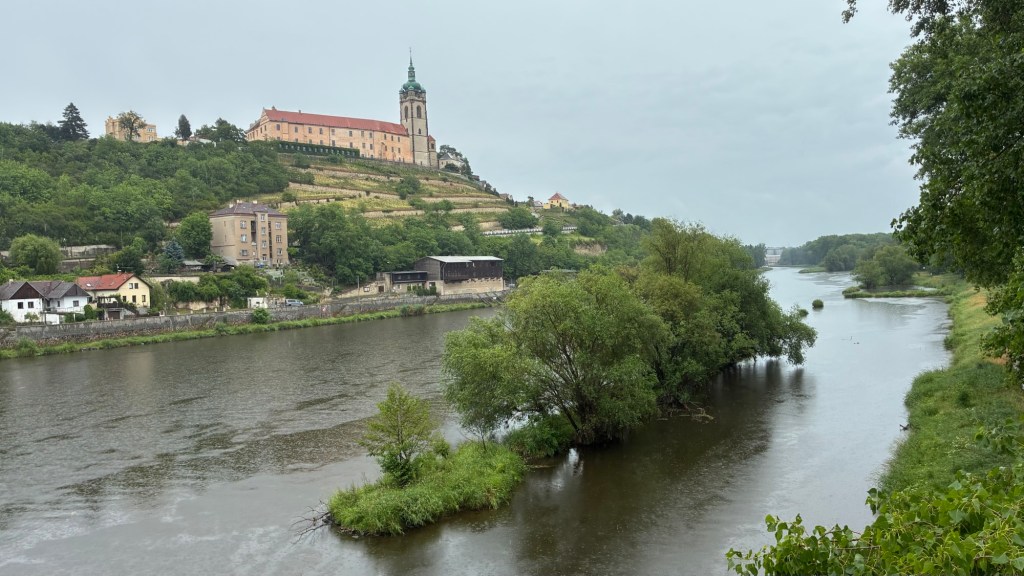
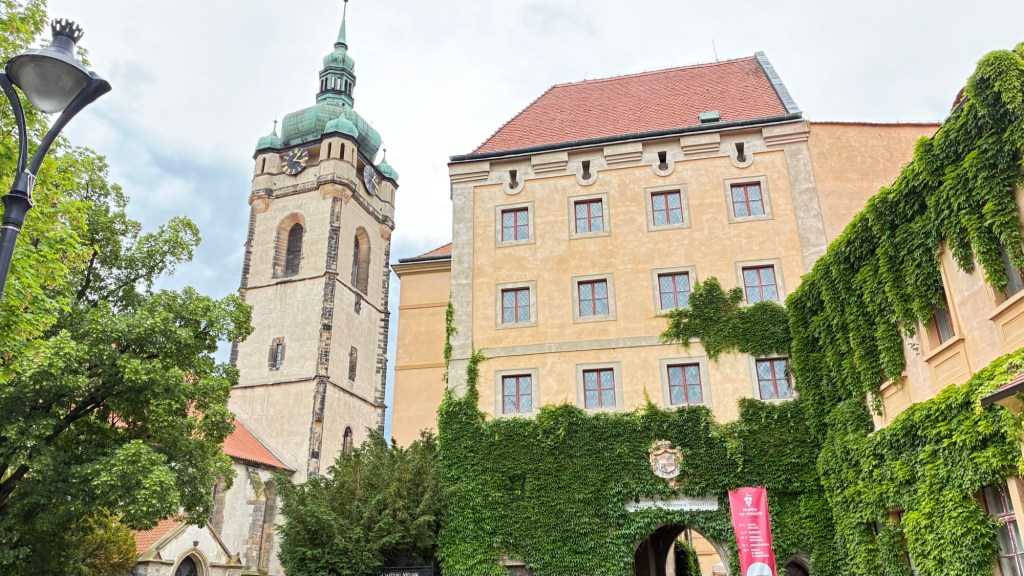
Nearly 300 kilometres into our ride, the historic city of Mělník rises above the confluence of the Elbe and the Vltava. The final climb is barely 50 metres, but at the end of a day’s riding over uncertain surfaces, it takes on Alpine proportions. By the time we had crawled up and bounced across two kilometres of medieval cobblestones, we were rattled to the bones.
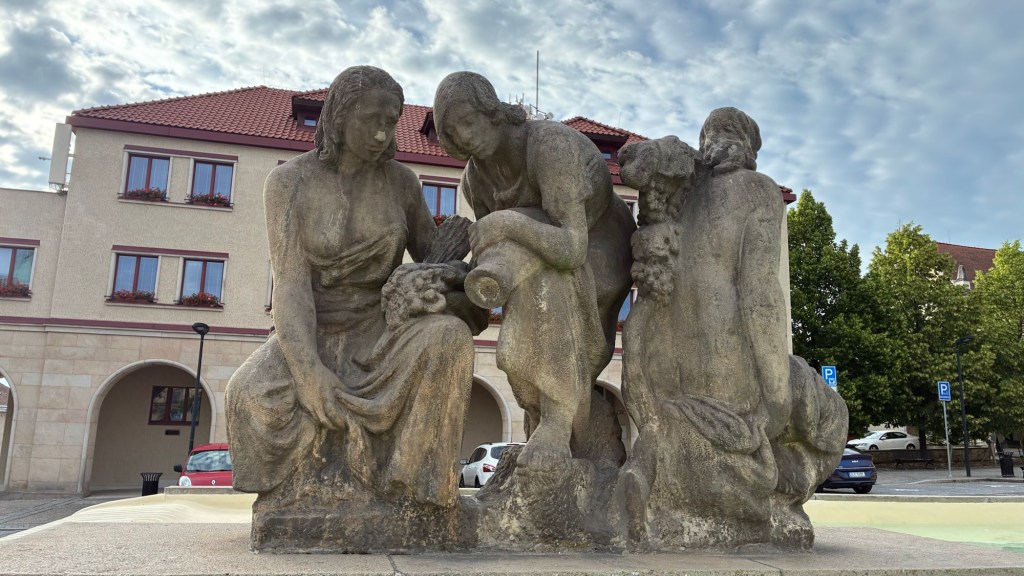
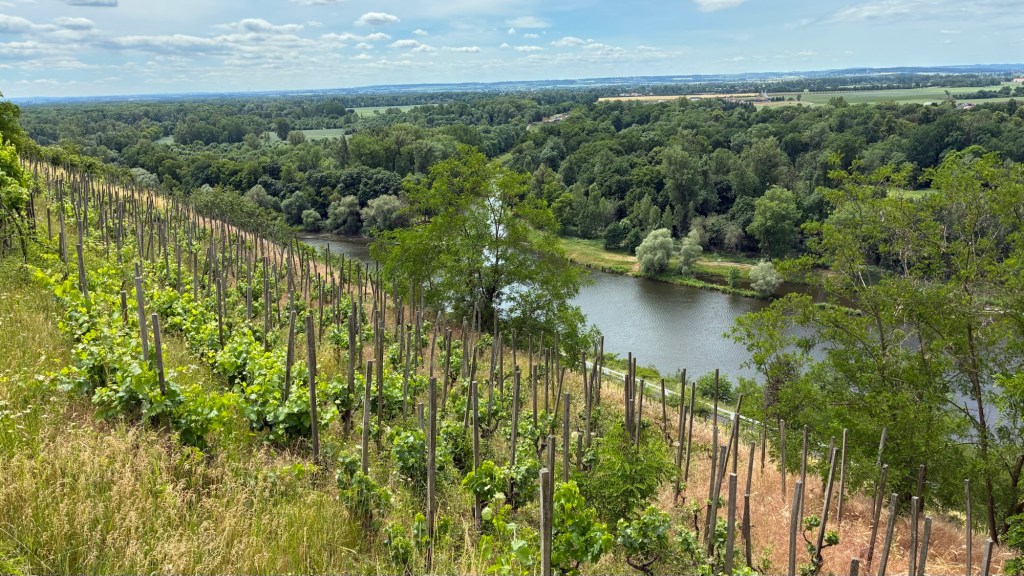
At the centre of the town square, three monumental women cluster around a giant wine jug in the 1930s sculpture Vinobraní (The Grape Harvest), celebrating Mělník’s thousand-year-old wine industry. Vineyards surround the town, overlooked by a 10th-century château perched above the meeting of the rivers.
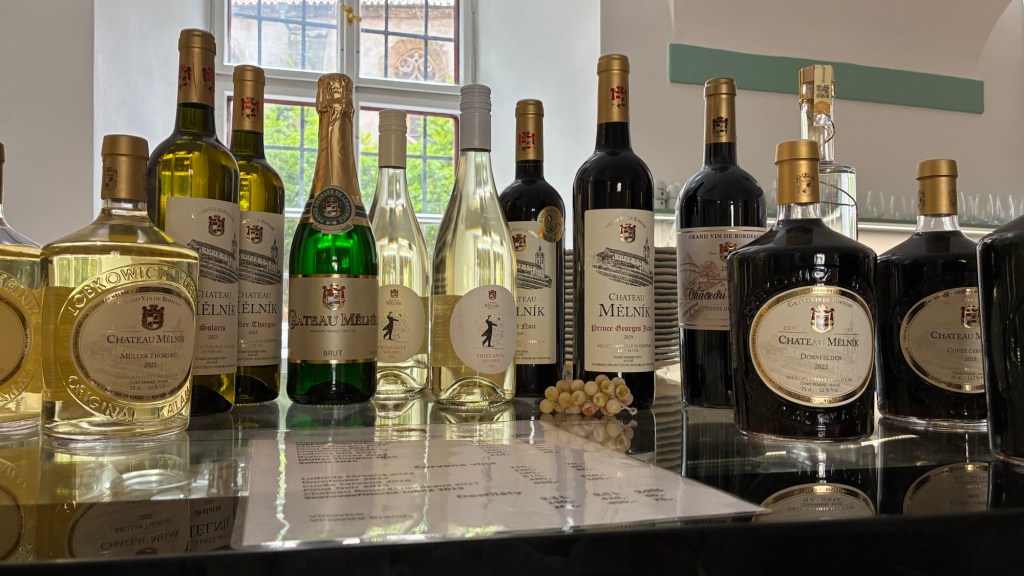
A magnificent wine bar occupies a strategic position in the château complex.
At this point, thirsty cyclists are expected to choose between local wine and local beer. For most visitors, the choice is difficult. For my fellow-traveller—known to the reader of this blog as Sidekick—it is impossible. Like all serious travellers, he seeks authenticity in local food and drink. Unlike most travellers, however, he is a teetotaller.
This creates a recurring problem throughout Europe. Every village has a local ale that is naturally the ‘finest in the world’. Every region has its own wine. Every town has a centuries-old alcoholic beverage whose provenance is discussed at exhausting length. But ask for something local and non-alcoholic and you almost hear Europe’s famed drinking culture grinding to a halt.
Last year, while cycling through Slovakia along the Danube, Sidekick discovered Kofola.
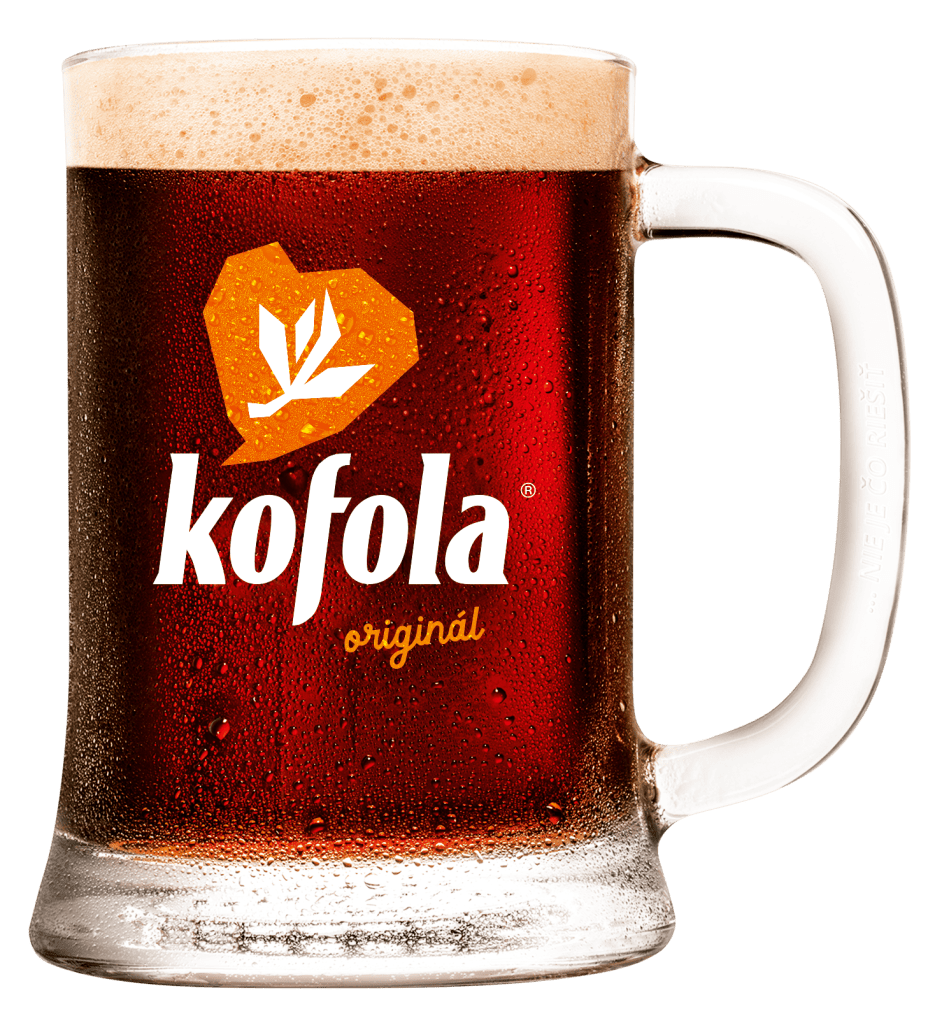
Village cafés had it. Restaurants had it. Roadside kiosks had it. It emerged from taps alongside beer. By the time we left Slovakia he had become convinced that Kofola was not merely a drink but regional pride—bottled and carbonated.
Created in communist Czechoslovakia in 1960 as a domestic alternative to Western cola drinks, Kofola quickly became part of everyday life. It looked vaguely like Coca-Cola, tasted nothing like it, and by the 1970s was reportedly available everywhere from pubs to post offices.
Naturally, when we arrived in Prague—the city where Kofola was conceived—Sidekick hoped for a reunion. He did not have to wait long.
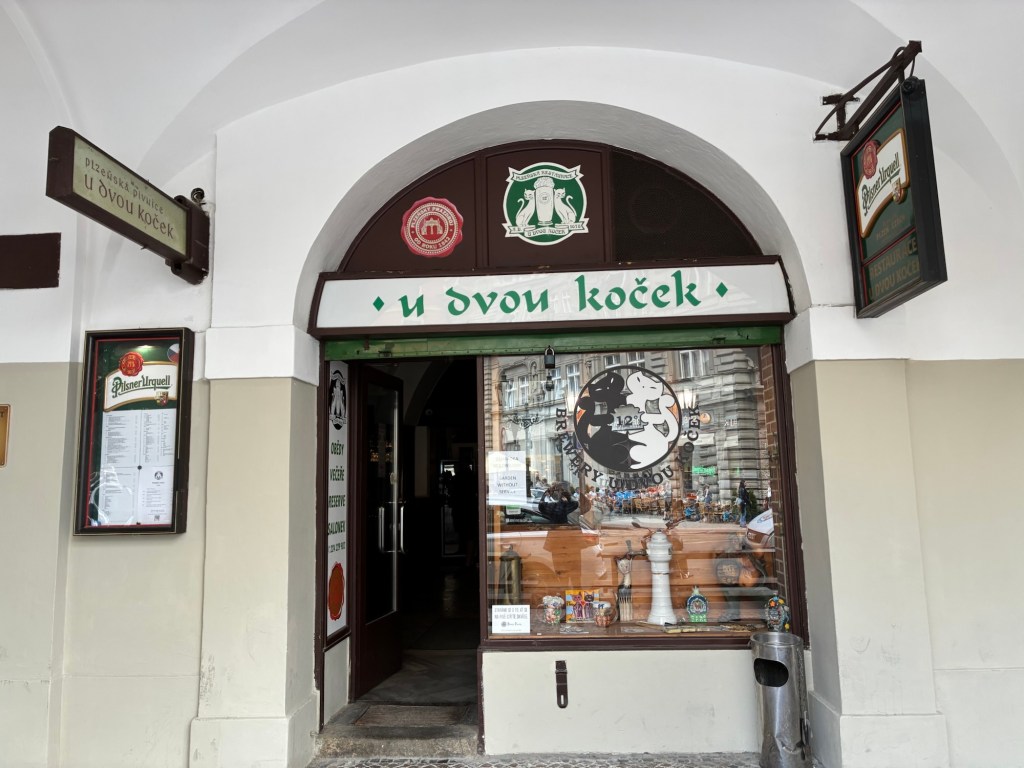
On our first full day in the city, we were taken to lunch at U Dvou Koček by the Indonesian-born Czech pop singer Rony Marton (but that’s another story). Dating back to the 1600s, the restaurant once catered to communist-era political elites and later appeared in the hit Czech comedy Run, Waiter Run.
This venerable old institution proudly continues to serve Kofola. To Sidekick, this confirmed the drink’s status as one of history’s great survivors.
Away from Prague, however, Kofola became harder to find. Restaurants offered Coca-Cola and Pepsi. Bars offered enough beer to float a fleet of warships. Kofola appeared only intermittently, and generally not in smaller cafés and roadside stalls.
The Velvet Revolution of 1989 had brought political freedom and consumer choice to the Czechs. It also brought Coca-Cola, supermarkets and a flood of Western brands. Kofola’s sales collapsed. For a time, it looked as though the old socialist cola might go the way of the Communist Party.
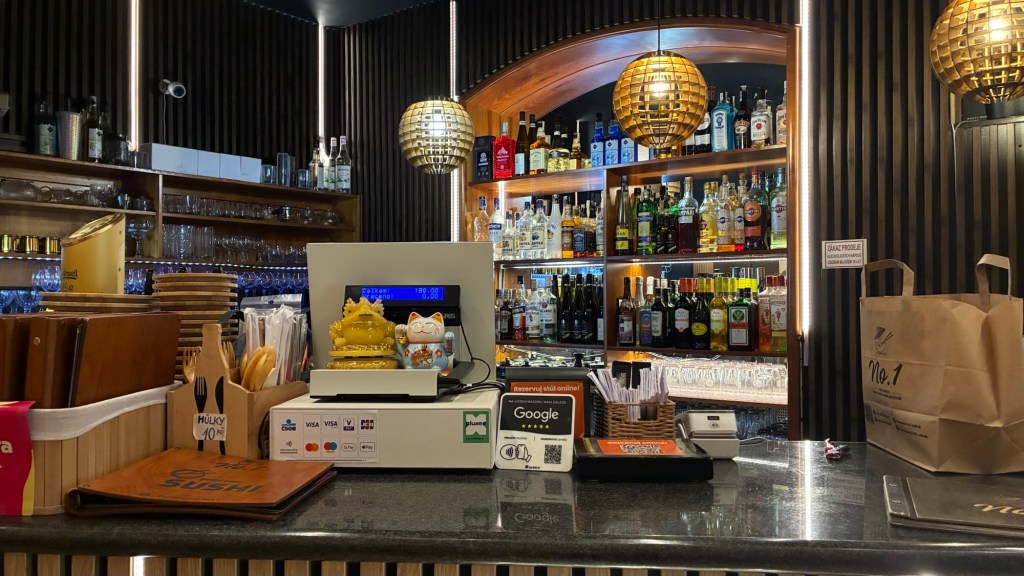
By the time we rolled into Mělník, Sidekick had grave concerns.
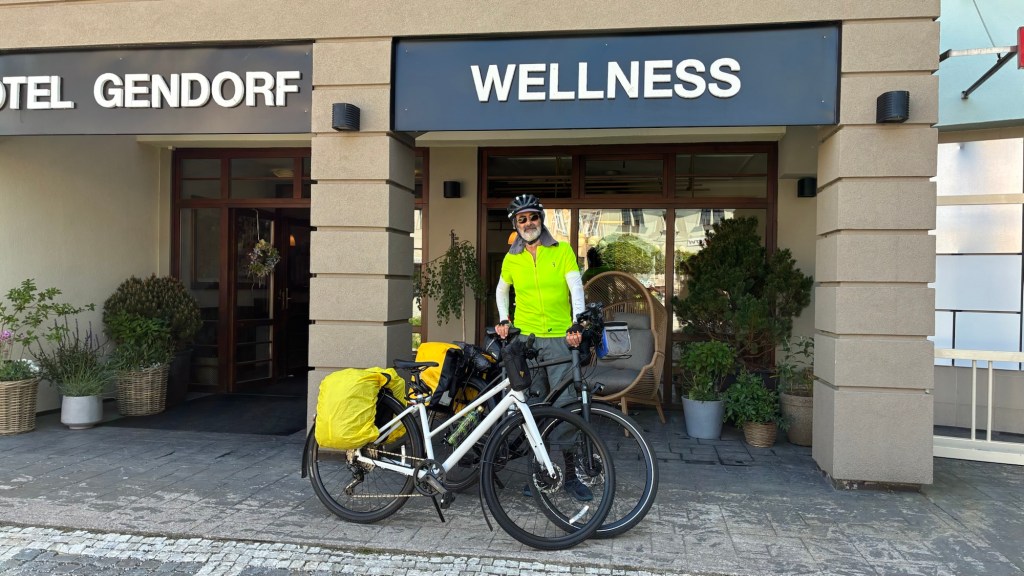
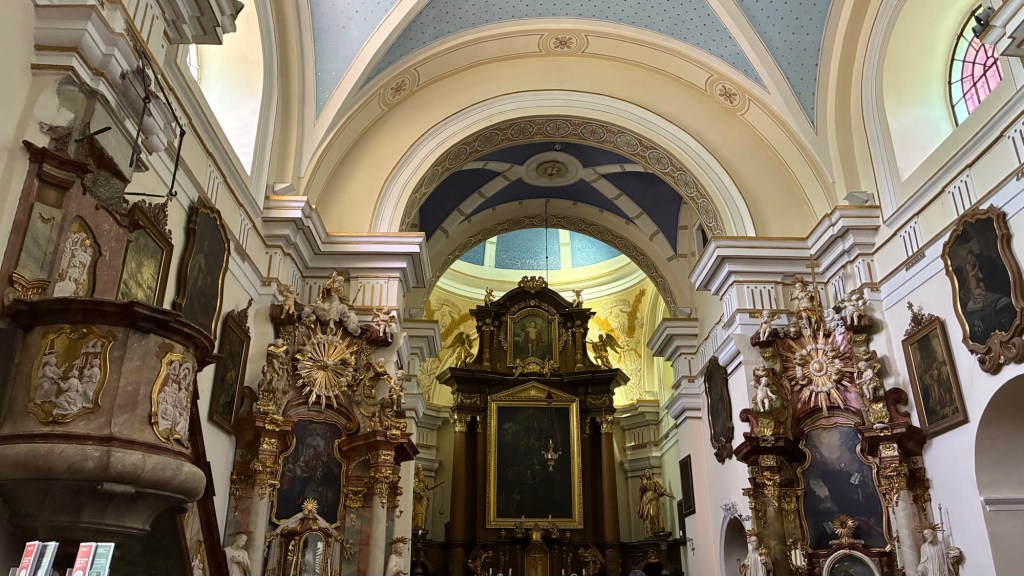
Our hotel stood less than a hundred metres from the town square and, quite literally, next door to the château and church. None of the half-dozen restaurants on our street served Kofola. The one kiosk in the square sporting Kofola umbrellas had already closed for the evening.
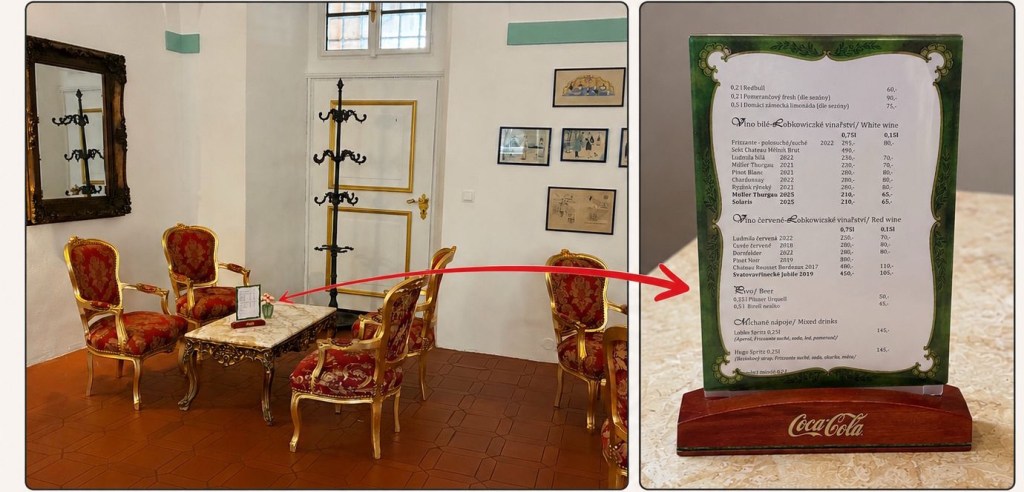
Inside the château’s elegant wine café, gilded chairs surrounded marble tables beneath high white vaults. The décor suggested hunting parties, sweeping gowns and inherited titles. The Coca-Cola advertisements on every table asserted something else — Globalisation wasn’t merely knocking at the castle gate. It had booked all the tables inside.
Sidekick’s solution was to turn to that modern bastion of consumer choice: the supermarket. Google Maps revealed a Tesco hypermarket just 800 metres from the château gate. But a very long way down hill. Down we went any way, ignoring premonitions about the climb back.
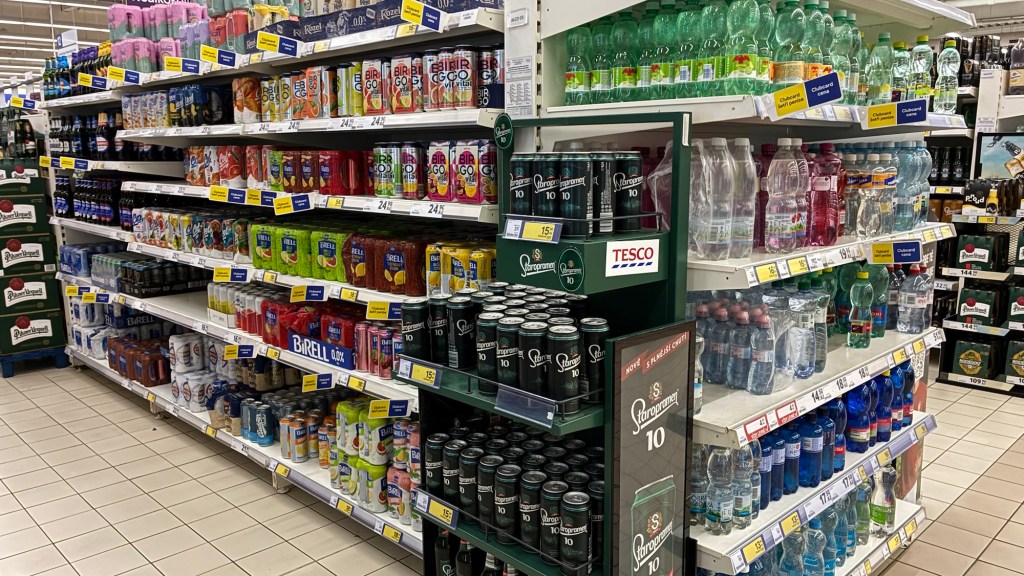
The search began: First came Coca-Cola. Then more Coca-Cola. Then Pepsi. Then energy drinks promising to improve everything from athletic performance to environmental impact. Then an entire continent of beer—beers that had won international awards; beers that had fought international wars.
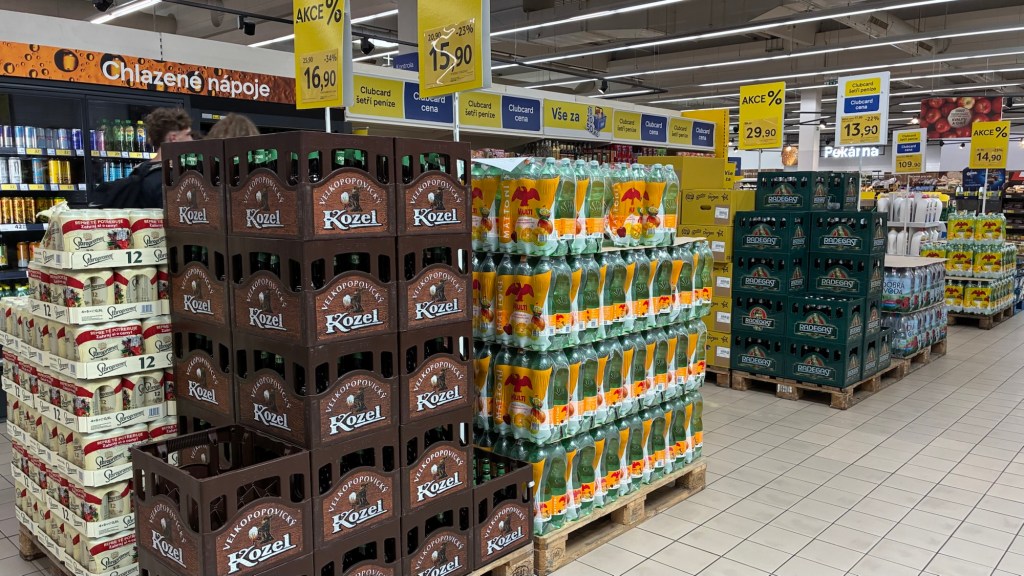
But no Kofola. Eventually, after photographing thirteen separate drinks displays, I gave up.
An elderly employee was stocking a fridge.
“Kofola?” I asked.
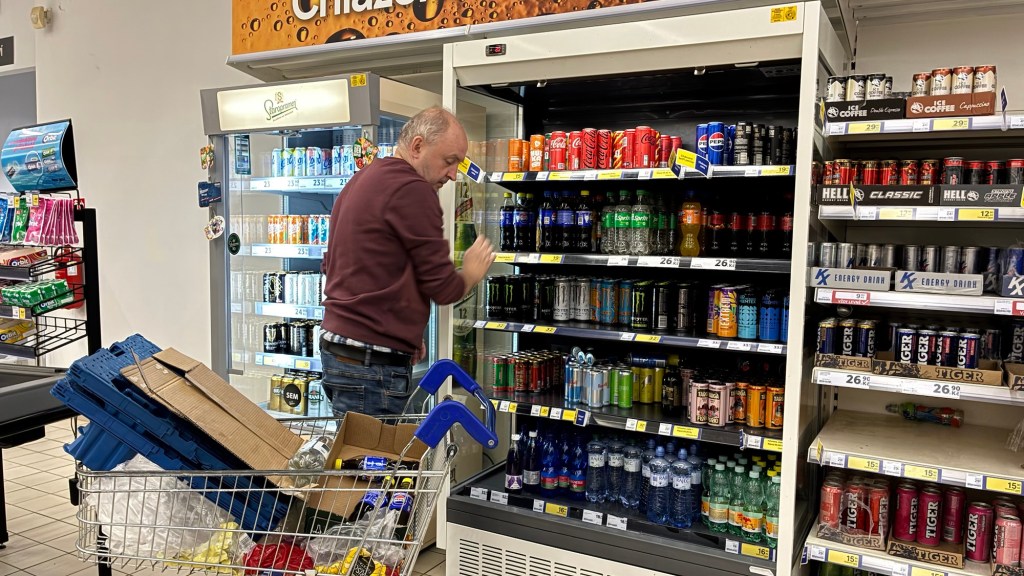
He corrected my pronunciation, shifted a few Coke bottles and revealed several small bottles of Kofola.
I gestured: “Big?”
He pointed somewhere up towards the ceiling at the far end of the supermarket.
I followed the pointed finger towards the fluorescent lights. And there they were! Several large plastic bottles of classic and sugar-free Kofola, at the far corner aisle, on the top shelf, well-beyond the line of sight of not just the height-challenged (eg. Me) but even 6 ft tall humans like Sidekick.
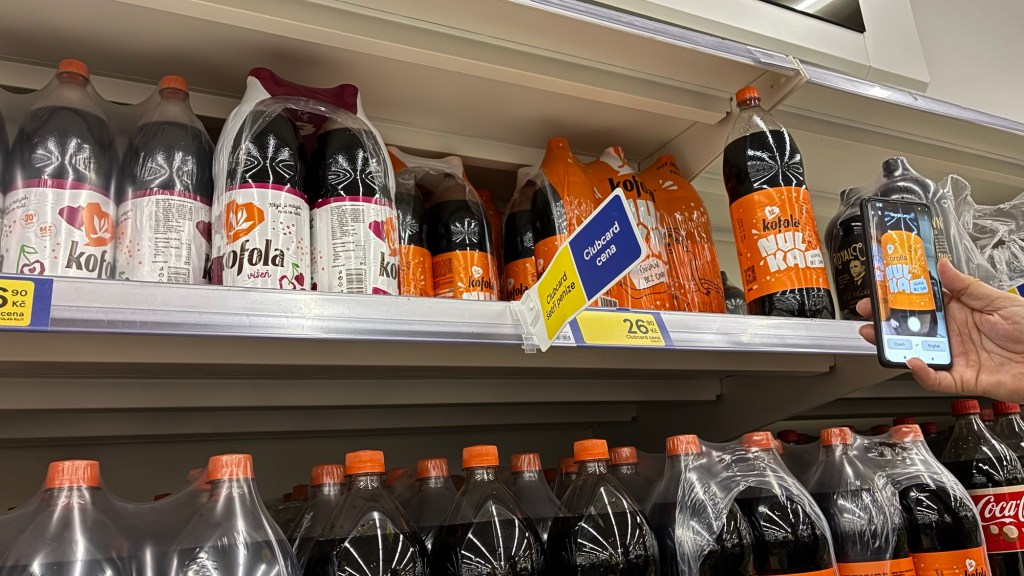
Not extinct. Perhaps not even endangered. But clearly, struggling for territory in the supermarket ecosystem.
Kofola had survived. In the early 1990s, when many assumed the brand was doomed, it was rescued by Kostas Samaras, whose family had migrated to Czechoslovakia after the Greek Civil War. The new owners quickly realised that competing with Coca-Cola was futile. There was no need. Kofola’s advantage was that it wasn’t Coca-Cola.
It was Czech, nostalgic, stubbornly local and tasted wonderfully unique! Instead of fighting the global giants, the new owners embraced its special identity and thus got the business back on its wheels.
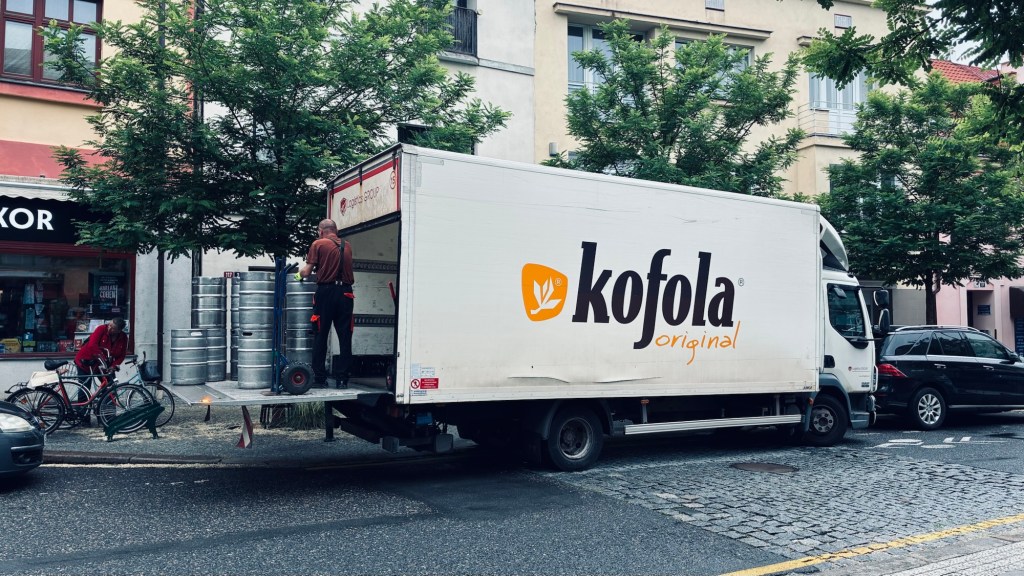
Which is how, after cycling nearly 300 kilometres through Czechia, we found ourselves standing in a supermarket in Mělník celebrating the survival of a soft drink. Outside stood vineyards that had produced wine for centuries.
Just before we climbed back up to one of the most beautiful historic town centres in Bohemia, we drank to a revolution that had survived communism, capitalism and globalisation.
It was still alive, albeit backed into a corner, at aisle 27 or thereabouts in Tesco.