There comes a time when the universe tells you to slow down. In response, we have packed our panniers and set off once more to wobble along another European riverside on loaded bicycles — of course, at a pace officially classified as ‘sedate’.
Last year we cycled some 1400 kilometres from the source of the Danube to Budapest, despite having absolutely no previous experience of long-distance cycle touring. Some kind friends described this as admirable spontaneity. Others muttered darkly about cognitive decline.
In truth, we had only the vaguest idea of what we were doing. We simply pointed the bicycles east and kept pedalling. We eventually chickened out in Budapest because the lower Danube route had a scary reputation among cyclists: muddy tracks, missing signposts, feral dogs, and stretches where you apparently had to push your loaded bicycle across a mile of sand while inevitably reconsidering your life choices. We didn’t want to risk turning a bi-pedal road-trip into an orthopaedic incident.
Still, we returned home convinced that we had not surrendered so much as strategically retreated to take on another ride another day. Soon enough we found ourselves drifting into discussions about padded shorts, tyre pressure and headwinds with the haunted intensity of veterans. Before long another river ride had begun to loom into view: Labe when it rises in the Krkonose (Giant) Mountains, Czechia, and Elbe as it wanders through Germany to the North Sea.
Meanwhile, a war had broken out in the Middle East and Cycle Sidekick (CS), sensing a golden opportunity to derail the expedition entirely, threw himself into researching airline routes with the grim dedication of a NATO logistics officer.
Over several days he developed an increasingly elaborate set of safety criteria. No stopovers longer than six hours. No routes passing within cooee of either Russia or the Middle East. No airports likely to attract geopolitical attention. And so on.
I assumed this exercise would end with a solemn announcement that a Europe trip right now was unreasonably risky and that, regrettably, the expedition would need to be abandoned in favour of staying home and watching travel documentaries from the safety of the sofa.
Unfortunately for him, after days of determined pessimism, CS succeeded only in finding a route that satisfied all his own conditions: Perth to Amsterdam in roughly thirty hours with only minimal chances of international incident. His final respectable excuse had vanished.
There was now no turning back.
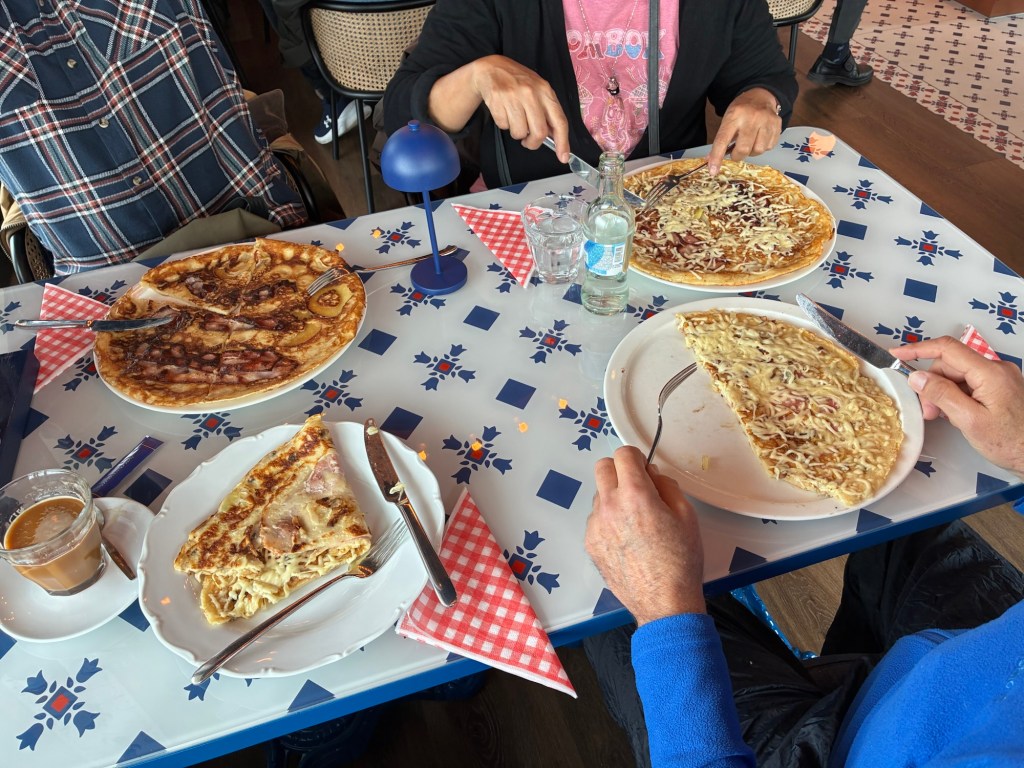
We were headed for the hills in Czechia, though not before a few days of serious carbo-loading in The Hague — which sounds considerably more athletic than eating Dutch pancakes while trying to recover from jet lag.
I had originally sold the Elbe route to CS on the basis of widespread cycling-community consensus that the path was mostly flat. Closer inspection of the route map shows that in cycling terminology ‘mostly flat’ actually means: ‘There is one catastrophic hill right at the beginning, but after that your suffering becomes more evenly distributed.’
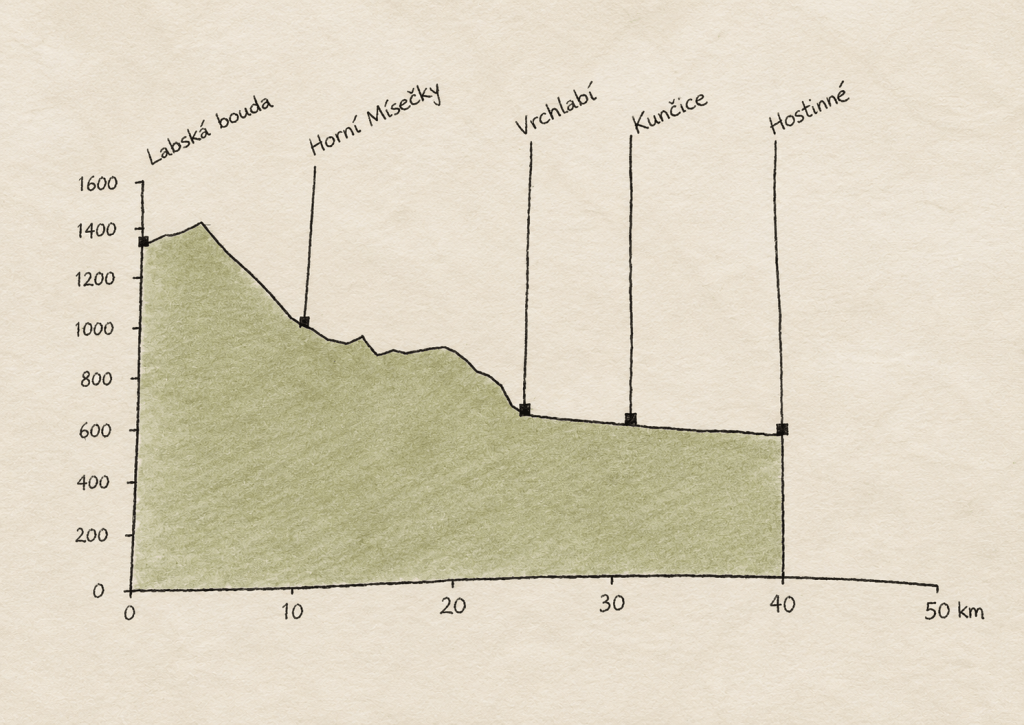
Oh well, we’ll cross that hill when we get there.
We have also completed the familiar phase known as Acquiring Tiny Expensive Objects. These arrive in disproportionately enormous padded envelopes and rarely fit either the bicycle or the cyclist for whom they were allegedly designed. Clearly, the cycling industry survives largely by convincing baby boomers that they are only one titanium bit away from eternal youth.
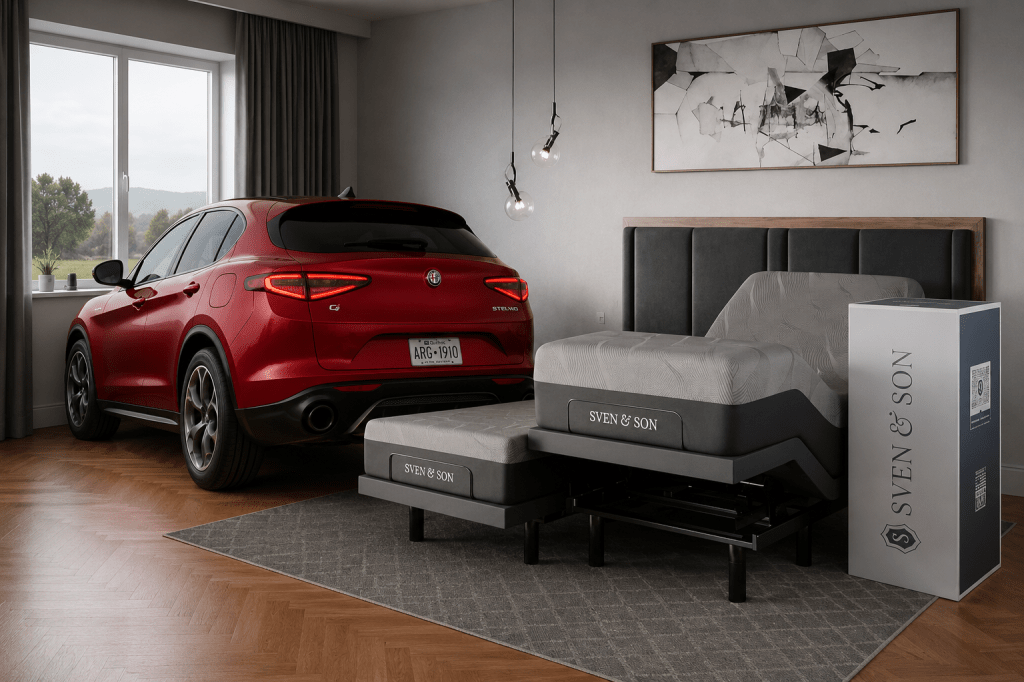
And yet, at a stage of life when some of our contemporaries are investing seriously in adjustable medical beds with remote controls, tiny titanium thingummies somehow manage to signify rebellion. Besides, they are considerably cheaper and less environmentally damaging than buying a red Alfa Romeo.
Which brings me finally to the matter of ‘balance’, which at our age is no longer merely a cycling skill but a comprehensive lifestyle challenge.
If you follow my blogs, you will see that performance metrics play no role in this expedition. In theory, we would like to complete the entire river — roughly 1100 kilometres from the Giant Mountains to the North Sea. In practice, I shall consider the enterprise a success if we manage to remain upright on our bikes from one hotel to the next for a few weeks, without requiring a major medical rescue.
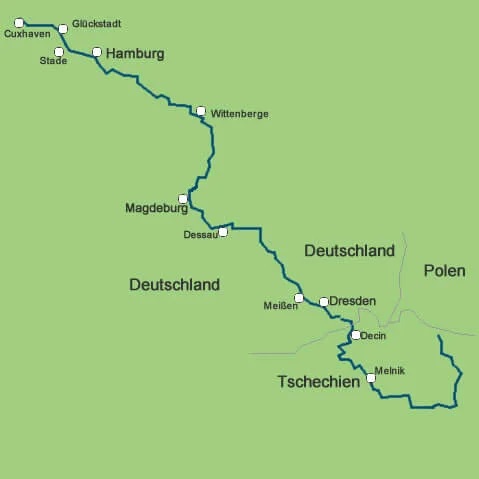
And so, despite the creaky joints, the logistical anxieties, and the growing awareness that physical recovery now takes as long as the continental drift, we are once again strapping waterproof bags onto bicycles and heading into Central Europe armed with energy bars, anti-inflammatory gel and heroic assumptions about our backs and knees.
Nothing could possibly go wrong, right?

 Reading the Road
go forth and conquer 🙂✅
LikeLike
hmmm? Conquer? Perhaps not🤔
LikeLike